
Forgiveness and the Possibility of Repair
Where'd You Go BernadetteThe characters’ recovery depends less on erasing harm than on acknowledging responsibility and choosing new, imperfect forms of connection.
increasing Bearing strength in each event
 decreasing
Bearing strength in each eventdecreasingReassurance Without Repair
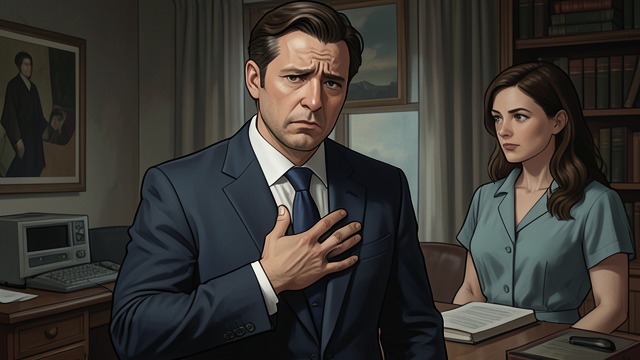
Reassurance Without Repair
A familiar phrase
Elgin tells Bee that Bernadette’s disappearance is not her fault. The reassurance is loving, but it does not address Bee’s need to know what happened.
A relationship strained
The gap between comfort and truth becomes a conflict between father and daughter. Repair will require more than repeating that Bee is innocent of adult problems.
Audrey Admits Harm
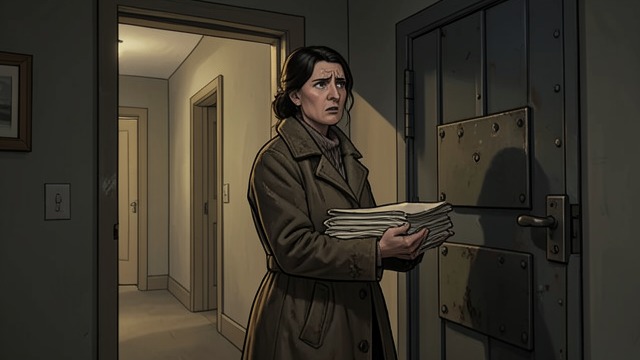
Audrey Admits Harm
Responsibility recognized
Audrey sees that her false injury claim and pressure over the hillside may contribute to Bernadette’s confinement. The realization forces her to confront herself as a participant in the crisis.
Action follows confession
She does not stop at regret. Audrey gathers evidence, helps Bernadette escape, and agrees to send the dossier to Bee, making accountability practical rather than merely emotional.
Elgin Names His Failure
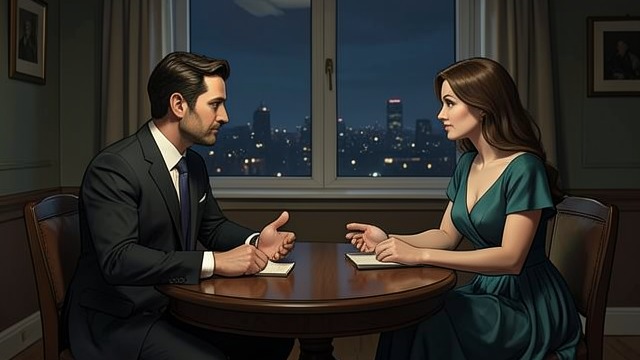
Elgin Names His Failure
A different kind of apology
Elgin tells Bee that he should have recognized Bernadette’s need to create. He admits that he did not know how to help her return to architecture.
Listening replaces argument
The admission does not excuse his attempt to control Bernadette through the intervention. It gives Bee a more complicated view of him and allows grief to be shared rather than debated.
Soo-Lin Writes Her Part
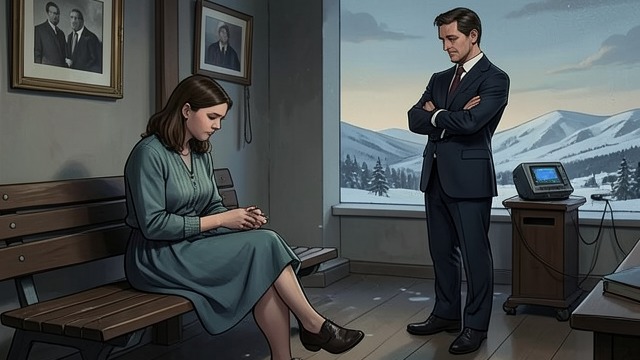
Soo-Lin Writes Her Part
A romance reconsidered
Soo-Lin uses WYP and TORCH exercises to identify her own projection and choices in the affair. She recognizes that Elgin’s vulnerability was not proof of mutual love.
Responsibility without certainty
Her self-examination does not settle what Elgin will do or make the pregnancy easy. It shifts attention from being wronged to deciding how she will respond.
A Future Rather Than Closure
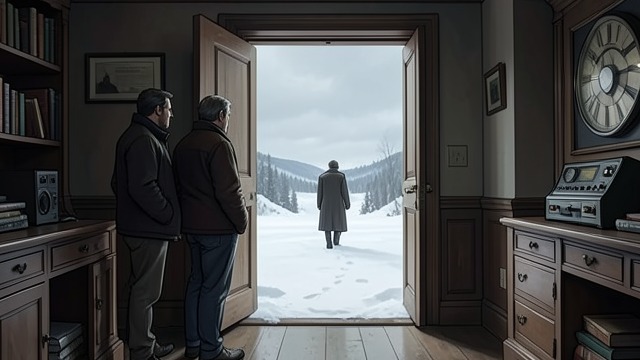
A Future Rather Than Closure
Loss remains present
Bee and Elgin still do not know exactly what Bernadette will choose after Palmer. Their reunion offers hope without making the past disappear.
Repair as a decision
Bernadette’s intention to create again, leave Straight Gate, and keep Bee close suggests that the family may build a different future. The ending offers movement, not a guarantee that every relationship is healed.
At the start of Bee’s account
The night before the intervention
At Port Lockroy
After the Antarctic disappearance becomes known
Near the end of Bee and Elgin’s Antarctic journey
